Mars for the Many Home

Category

Community & Access

11 articles

Water on Mars: How Future Colonists Will Turn Ice and Dust Into Something You Can Actually Drink

Water on Mars: How Future Colonists Will Turn Ice and Dust Into Something You Can Actually Drink

Mars has water — it's just frozen, underground, or locked into the soil. Turning that into clean, safe drinking water for a human colony is one of the biggest engineering and public health challenges of the next century. And the solutions being developed draw on lessons from right here on Earth, including from communities that still don't have reliable access to clean water today.

Growing Your Own Food on Mars: What It'll Actually Take to Feed a Colony

Growing Your Own Food on Mars: What It'll Actually Take to Feed a Colony

Feeding people on Mars isn't just a sci-fi dream — it's an engineering and community challenge that everyday Americans are already helping to solve. From basement hydroponics hobbyists to Indigenous land stewards, the future of Martian farming is being built right now, right here on Earth. Here's what we know about how humans will grow food on the Red Planet.

Your Couch, Your Contribution: The Everyday Americans Helping Decode Mars

Your Couch, Your Contribution: The Everyday Americans Helping Decode Mars

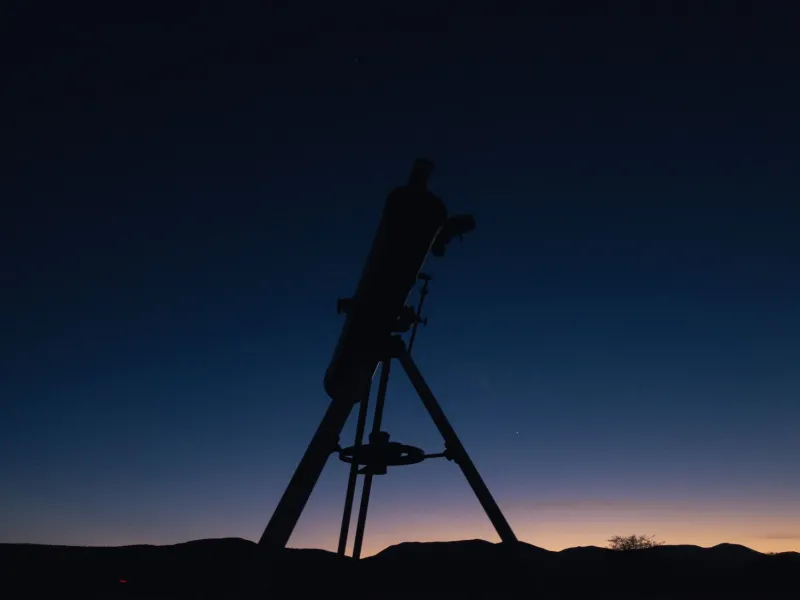
You don't need a telescope the size of a school bus or a degree from MIT to do real Mars science. Thousands of ordinary Americans are already contributing to legitimate research from their living rooms — and the results are genuinely moving the needle on our understanding of the Red Planet.

Dirt Roads to the Red Planet: Why Rural America Is Already Living the Mars Life

Dirt Roads to the Red Planet: Why Rural America Is Already Living the Mars Life

Before Silicon Valley billionaires started dreaming about off-world colonies, farmers in Nebraska were already figuring out how to grow food with almost no water and keep the lights on when the grid goes dark. Turns out, the most Mars-ready people on Earth might not be in a tech campus — they might be driving a tractor in rural Kansas. Here's why rural America has a bigger stake in space exploration than most people realize.